Working with
Psilocybin
A Working With Satya training · online and in person
- Online learning begins
- 16 November 2026
- In person, Netherlands
- 11–17 April 2027
Master how you support others.
- 12+World-class experts in the field
- 90+Hours of guided learning
- 4Phases in one complete training journey
- TogetherA community that helps each other grow
Teachers from
- Imperial College London
- University of Oxford
- University of Manchester
- Beckley Foundation
- Drug Science
- ICEERS
 Leader in psychedelic research
Why we created this training
Bridging science and spirituality
Honoring psychedelics as teachers, not tools.
Learn what it takes to understand an experience, approach it responsibly and support someone through it.
Who comes to study psilocybin?
Different paths. One shared space.
Professionals and people from other backgrounds learn side by side, each bringing their own questions and experience. Every application is considered individually.
- Therapists and clinicians
- Researchers and healthcare professionals
- Somatic and body-based practitioners
- Spaceholders and facilitators
- People exploring the psychedelics field
- People drawn to personal exploration
The complete journey
- 1
Online classes
From 16 November 202619 recorded lessons to build a shared foundation, at your own pace.
- 2
Live webinars
March 20275 live sessions with the teachers, for direct questions and dialogue.
- 3
In-person immersion
11–17 April 2027Seven days at Land van Yemaya in the Netherlands, with daily classes with Satya and ceremonial practice.
- 4
Integration
3 months of continuous support2 live sessions, follow-up connection and materials.
What you’ll explore
Seven days between ceremonial practice and intensive classes.
 1
Live it
Go through the process yourself, in ceremonial practice, so you know it from the inside.
 2
Understand it
In intensive training sessions, look at what happened, what helped and why.
 3
Learn to hold it
Turn that understanding into practical skills for supporting others, one to one and in groups.

What happens before the experience matters.
- Assess emotional, physical and psychological readiness
- Adapt your approach to each person’s context and history
- Discern when it is safe and appropriate to proceed
- Create the conditions for a structured, intentional process
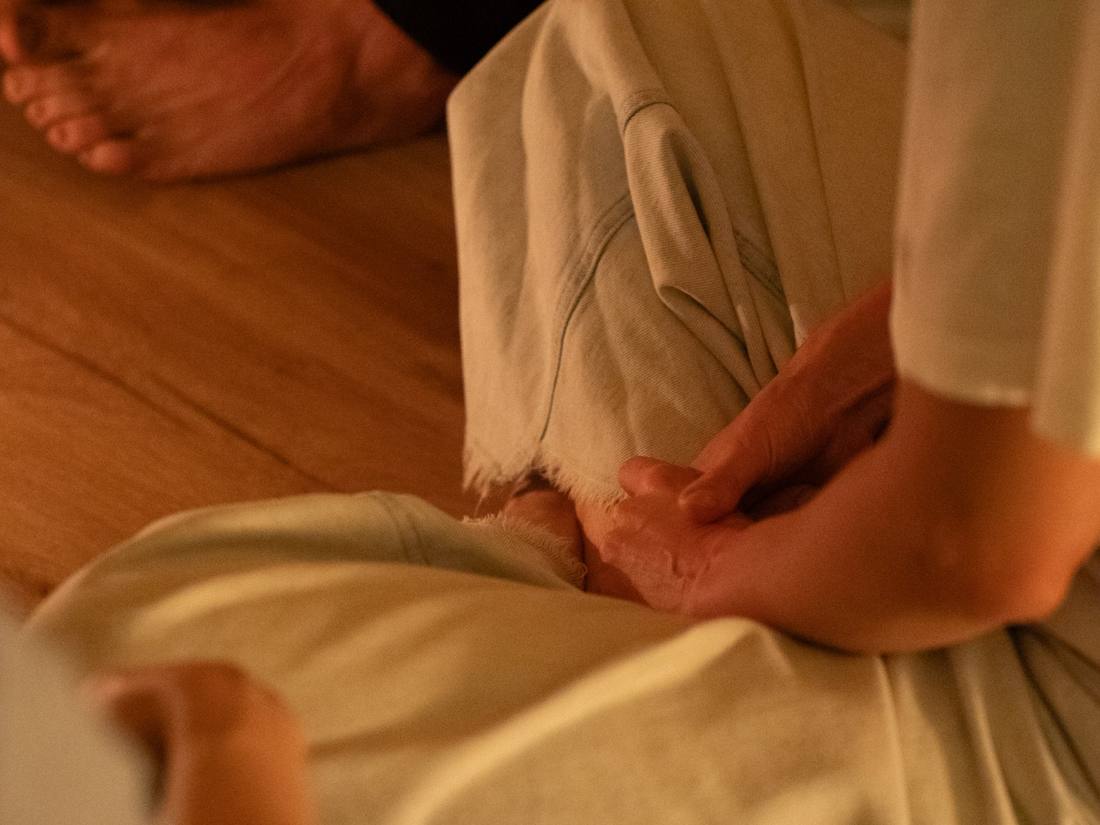
Knowing when to step in, and when to step back.
- What needs your attention, and what can easily be overlooked
- When to approach, how to approach and when to step back
- Working with touch, silence and presence appropriately
- Supporting without taking over someone’s process
- Navigating challenging moments in real time

One person or a whole group, every setting asks something different.
- The difference between a clinical session and a ceremonial setting
- How to prepare the space and hold it with care
- The role of music, live or recorded, and how it shapes the process
- How environment and context influence what unfolds

And then comes what happens after.
- Guide a structured, grounded integration process
- Work with visions and symbolic experiences in a practical way
- Support the transition into daily life
- Know what to do, and what to avoid, afterwards
- Recognise when additional support is needed
In the 19 online lessons
- Introduction to psilocybin
- The science of psilocybin
- Psychedelics and consciousness
- Ethics and responsibility
- Harm reduction and safety
- Culture, community and responsibility
- Therapeutic applications
- Preparing spaceholders and participants
- Trauma: scientific and spiritual perspectives
- A shamanic perspective
- Law, regulation and the professional landscape
- Low-dose research and wellbeing
- Expectations management
- Relationships and interpersonal healing
Where we meet in April
Seven days at Land van Yemaya, in the Dutch countryside. This is where you’ll learn, practise and rest during the in-person immersion.








Meet our teachers
Bridging science & spirituality in practice
We want our students to learn from diverse perspectives, so we carefully selected and invited guest teachers to bring the knowledge of their fields into the training.

Satya
Founder of Working With Satya & Awareness Facilitator School
Satya is a consciousness activist who has dedicated over 17 years to helping people discover their full potential and awaken their soul wisdom. Working with people around the world, she created the Awareness Facilitator Method, a unique approach that bridges ancient wisdom and modern therapy, science and spirituality.
Satya leads the classes, guides the in-person immersion and accompanies the wider journey. She is supported by a full team of facilitators who have trained and worked alongside her for years, and who are present throughout the immersion to support the group and respond to individual needs.
- 17+Years of experience
- 2,112Retreat days
- 63,980People impacted worldwide
With our guest teachers
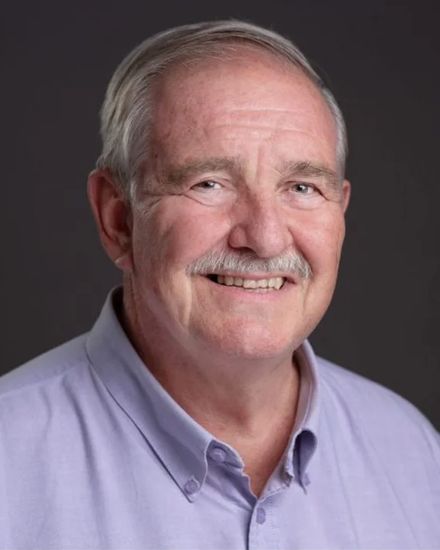
Prof. David Nutt
Psychedelic Science and Trauma Research
Professor David Nutt is a neuropsychopharmacology professor at Imperial College London and Chair of Drug Science, the UK’s leading independent research body in this field. He has published over 400 papers, 8 government reports and 27 books. He advocates for evidence-based policy and researches the therapeutic use of psilocybin and other psychedelics.
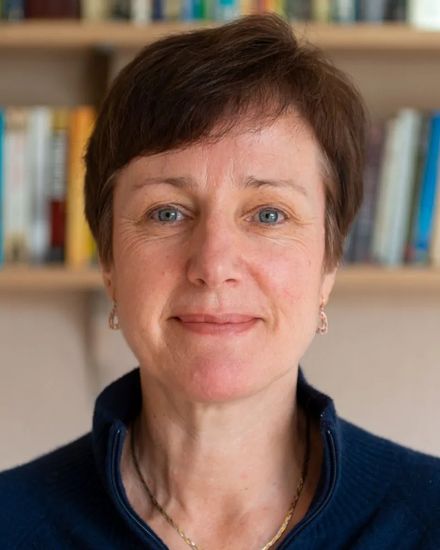
Prof. Jo Neill
Risks and Harms of Psychedelics
Professor Jo Neill is a professor of Psychopharmacology at the University of Manchester. She has been conducting research in psychopharmacology for almost 30 years, specifically in the development of preclinical models of psychiatric disorders.
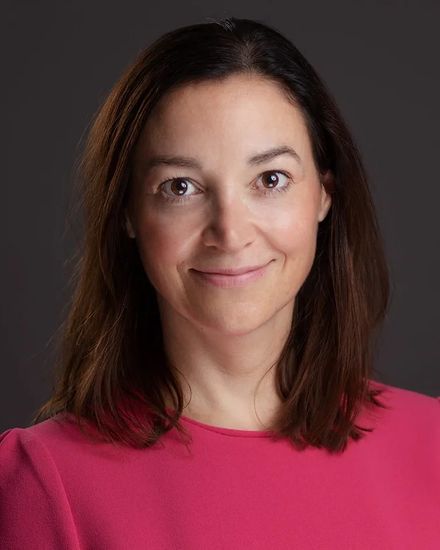
Dr Anne Schlag
Equity, Cultural Appropriation & Community Access
Dr Anne Schlag is a Chartered Psychologist and Acting CEO at Drug Science, where she leads research for the Medical Psychedelics Working Group. With a PhD from LSE, she specialises in science, policy-making and risk management. Her research focuses on the social, ethical and policy dimensions of regulation, particularly around psychedelics, patient access and education.

Dr Rayyan Zafar
Therapeutic Applications of Psilocybin
As a member of Imperial College London’s Centre for Psychedelic Research and Neuropsychopharmacology, Rayyan focuses on reward system dysfunction and on developing treatments for substance use and behavioural addictions. He leads a study on psychedelic therapy for gambling disorder and consults on psychiatry clinical trials.
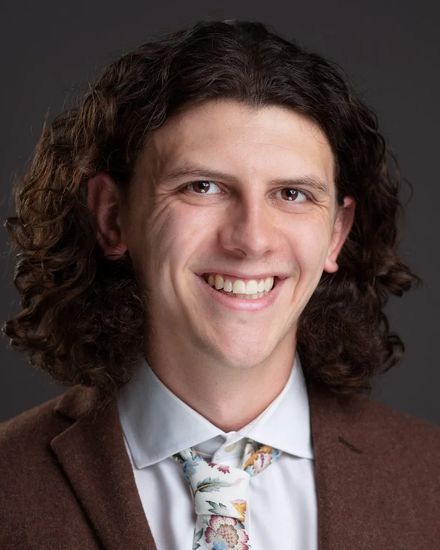
James Bunn
Law, Regulation & the Professional Landscape
As Head of Operations at Drug Science and a legal and regulatory consultant with experience in the UK, Canada, Australia, the USA, Israel and several EU member states, James has contributed to the development of the world’s largest psychedelic Real World Evidence project. He is well placed to advise on legal and regulatory pathways.
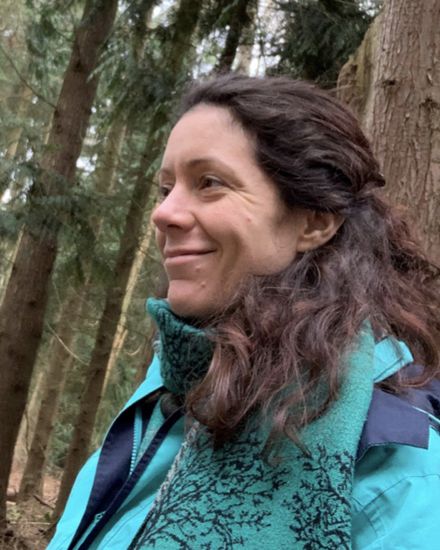
Dr Valerie Bonnelle
Low-Dose Research and Wellbeing
Dr Valerie Bonnelle is a Scientific Assistant and Researcher at the Beckley Foundation, working to bridge ancient wisdom and modern medicine through psychedelic research. She is currently exploring interoception, embodied cognition and heart-brain communication, studying how the autonomic nervous system shapes present-moment experience and self-transcendence.
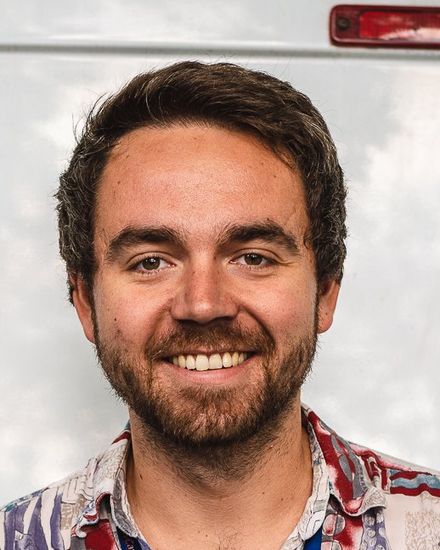
Adam Waugh
Harm Reduction and Safety
Adam Waugh is a Training Coordinator at The Loop, a non-profit focused on harm reduction and wellbeing. He manages event-based welfare and harm reduction services and holds an MSc in Criminology and Criminal Justice, with a dissertation on harm reduction at UK music festivals. Adam also collaborates with PsyCare UK, a charity providing similar services at festivals.
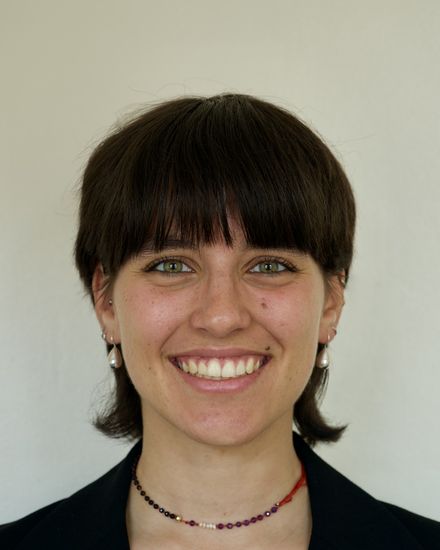
Joanna Vamvakopoulou
Expectations Management
Joanna is a PhD student in Neuropsychopharmacology at Imperial College London, researching psychedelic-assisted therapy for young people. She has a background in addiction research, holds an MSc in Translational Neuroscience and volunteers with Drug Science to promote evidence-based harm reduction and education.
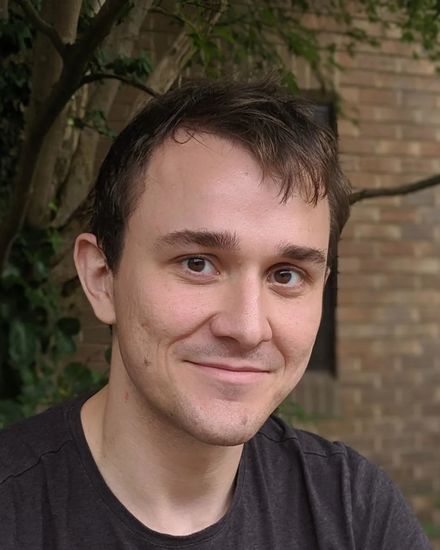
Dr Eddie Jacobs
Ethics and Responsibility in Psychedelic Practice
Dr Eddie Jacobs, from the University of Oxford’s Department of Psychiatry and the Wellcome Centre for Ethics and Humanities, explores the clinical, ethical and policy aspects of psychedelic-assisted psychotherapy. His DPhil project focuses on the bioethical dimensions of this therapy, mapping its ethical challenges and proposing ways to address them while minimising risks.
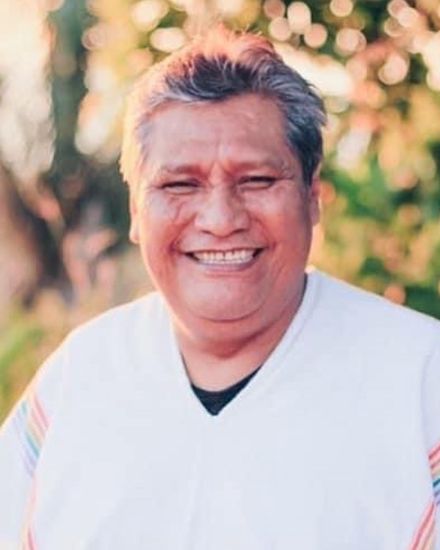
Don José Campos
Roots of Healing: A Shamanic Perspective
Don José Campos has worked within Amazonian plant traditions for over 40 years, embodying a rare blend of healer, musician and leader. Trained by Don Solón of Iquitos, he studied under 120 curanderos across South America, cultivating deep gratitude and humility. Known for his free spirit and the trust and kindness he fosters at Centro Munay, he values equality in ceremony, saying: “We are all here to learn to be better people.”
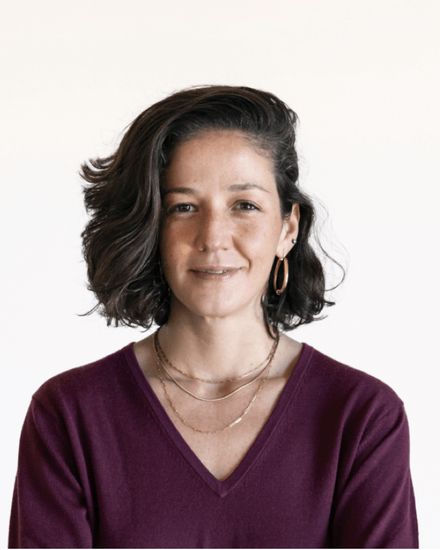
Natalia Rebollo
Legal Perspectives
Natalia Rebollo is a Mexican lawyer specialising in International Law and Human Rights. She spent two years studying traditional medicine and shamanism with communities in Mexico, and holds a Master’s degree in Human Rights and Humanitarian Action from Sciences Po Paris. She currently coordinates a legal defence programme at the ICEERS Foundation.
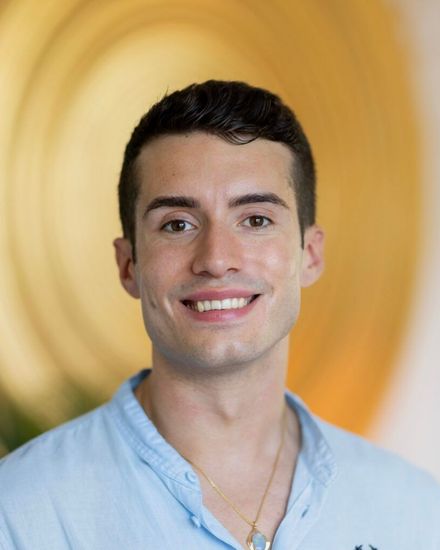
Tommaso Barba
Psilocybin, Relationships & Interpersonal Healing
Tommaso Barba is a psychedelic researcher with a background in neuroscience and psychoanalysis. His work explores how psychedelics influence intimacy, connection and relational healing, including some of the first studies in this area. His lecture covers psilocybin’s effects on empathy, emotional openness and attachment, and the ethics of shared altered states.
If you see yourself here, here’s what happens next
Share your interest
Fill in the short form below. It’s your first chance to tell us a little about yourself and what brings you here.
Meet us in a discovery call
A conversation to get to know you, present the full programme and answer your questions, so you can decide with full information.
Begin the preparation
If you choose to continue, you’ll receive a questionnaire about your intentions, personal background, and physical and mental health.
A careful review
Every questionnaire is reviewed with care, to understand whether participation is appropriate and whether anything needs further attention.
Your place is confirmed
You’re officially enrolled and begin the online lessons, at your own pace.
Applications for the full journey are open until February 2027.Payment in instalments is available.
Psychedelics are entering the mainstream. Are you prepared to work with them responsibly?
Fill in the form and a training specialist will contact you to arrange a discovery call.
Every application is considered individually. Payment in instalments is available.
The form couldn’t load. Please refresh the page.
By sharing your details, you agree that our team may contact you about this training. Read our privacy policy.
Frequently asked questions
Can I still join after 16 November?
Yes. Online learning begins on 16 November 2026, and applications stay open until February 2027. The online lessons are recorded, so you can start them whenever you join.
Will certificates of completion be awarded?
Yes. At the end of the training, a Certificate of Attendance is issued to those who demonstrate consistent ethical and professional integrity, a solid understanding of all the content covered in the course and, first and foremost, observable personal readiness to work in this field. This is a profound and gradual path, and it asks for high standards of personal consistency, commitment, ethics and values.
What ethical and legal measures are followed in this training?
We take ethical considerations and legal measures very seriously. Our curriculum is designed to adhere to the ethical guidelines and legal regulations relevant to the field. This includes making sure all participants understand and respect confidentiality, consent and safety protocols throughout the training.
Our teachers are experienced professionals committed to the highest ethical standards in their teaching and practice. We prioritise the wellbeing and integrity of everyone involved and strive to create a supportive and ethical learning environment.
What are the commitments in terms of time, and can I combine this training with a full-time job?
Allow enough hours to attend or watch the online part of the course, and roughly the same again for additional reading, assignments and integrating the material.
You can combine the online part with a job. Webinars are held after regular European office hours, and if you can’t attend one live, you’ll have access to the recording. You will need to take enough days off to attend the seven-day in-person immersion.
Do I need to have a university degree, or be a psychologist or certified therapist to apply?
No. You can work in the health and wellbeing field or come from another background. Our team reviews every application individually and will get in touch with you about your enrolment.
Do I need to have prior personal experience with psychedelics to participate?
No. Previous personal experience with psychedelics is not required. We do value each participant’s own experiential process during the in-person immersion, so participation is confirmed through a questionnaire and an interview with our training specialist, who will assess your eligibility.
If I have questions about the training, can I speak to someone who will help me decide if it’s for me?
Yes. You can always get in touch with us. Leave your details in the form above and a training specialist will contact you.
Is this course suitable for someone looking to become a ceremony facilitator?
This course does not provide certification to facilitate ceremonies. It is designed to support the personal and professional development of people already working in therapeutic, holistic or wellness-related fields, by expanding their understanding of non-ordinary states of consciousness and preparing them for supportive roles in regulated settings, such as clinical trials and integration projects.
If your goal includes facilitation, this course can give you a valuable foundation, but it does not offer the formal credentials required. We encourage you to explore additional certifications if facilitation is your main focus.
Our focus is a solid foundation of self-awareness and the development of skills in harm reduction, preparation and integration, always within ethical and legal boundaries.
Does the completion certificate qualify me to facilitate ceremonies or conduct psychedelic-assisted therapy?
No. At the end of the course we issue a Certificate of Attendance, which reflects your commitment to ethical and professional integrity and your understanding of the course content. It is not a formal qualification and does not grant permission to facilitate ceremonies or practise psychedelic-assisted therapy.
The course is an opportunity to enrich your practice in related fields while preparing you for future opportunities as the field of psychedelic therapies develops.